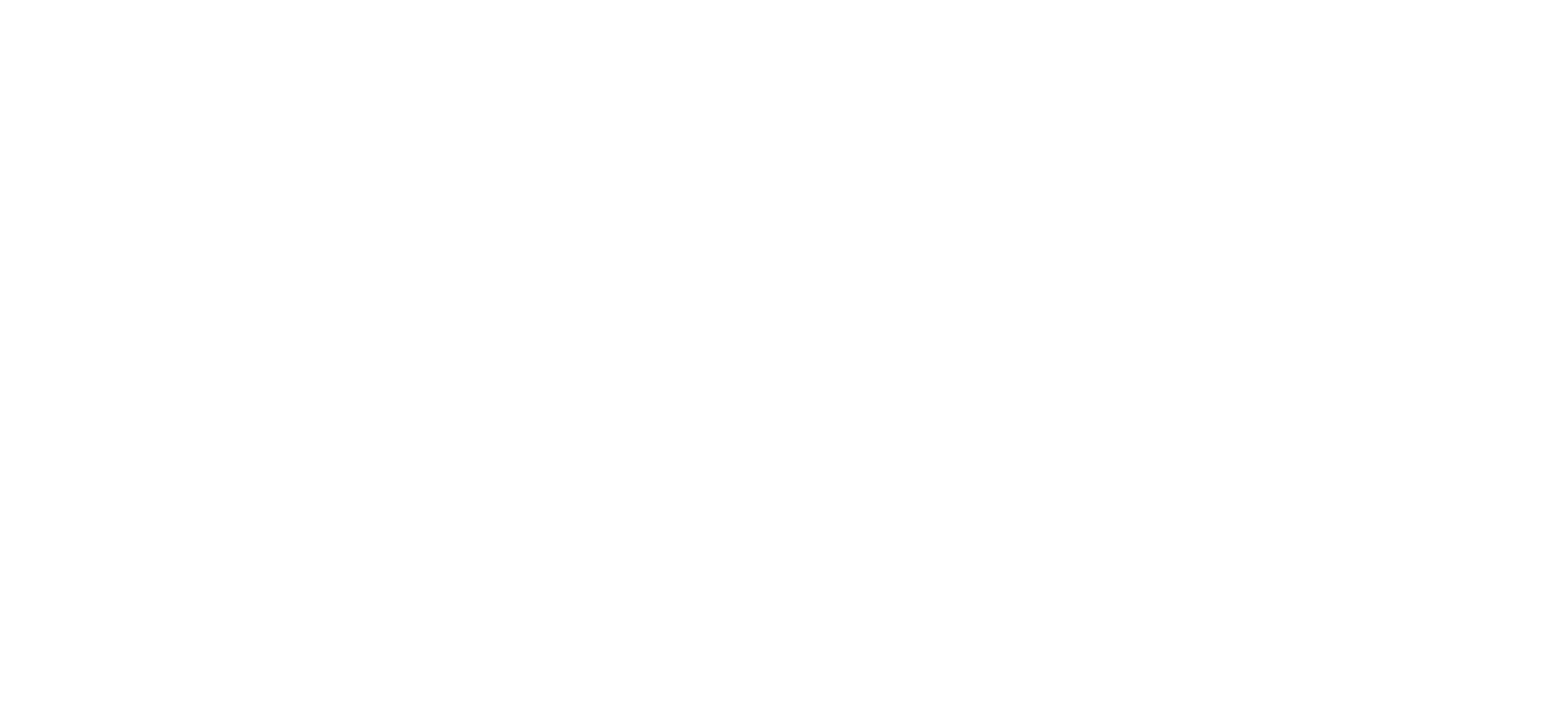
We talk to our freelancers almost every day about what it’s like to switch to sole proprietorship *. That’s why we decided to prepare a brief overview of useful information on this important topic.
*For clarity, in this guide, the Slovak “živnosť” is referred to as a sole proprietorship, although these structures are not fully identical to their U.S. equivalents.
Updated 8 September 2025
Do you want to run your own business, but don’t know where to start or what to look out for? At TITANS, we have tapped into the in-depth knowledge of our CFO, Michal Brigant, on this topic and, with his help, have prepared a summary of basic information about running a business as a sole proprietorship.
Basic information about a sole proprietorship
A natural person may decide to conduct business in the form of a sole proprietorship on the basis of a trade license, where one license may cover one or more activities. The chosen activity should correspond to the content of the business activities. In most cases, these are so-called free trades, for which there are no education or experience requirements. The opposite of free trades are craft and regulated trades, for which professional competence must be proven.
Starting a business as a sole proprietorship
A natural person needs to obtain a trade license from the trade licensing department of the district office in their place of residence. They must be at least 18 years of age and have a clean criminal record. With free trades, it is possible to start a business on the day of registration. Trade registration can be done in person or via www.slovensko.sk. It is also possible to use the services of companies that will handle the entire process for you for a small fee (around €30).
Liability or risk associated with doing business
In the case of a sole proprietorship, a natural person is liable for their business obligations with all their (including personal) assets. At first glance, this may seem daunting, but the problem can be solved by purchasing liability insurance. The insurance company covers the risks, accidents, and damage you cause, protecting you from financial compensation that you would otherwise be forced to pay out of your own pocket.
Contributions
In the first year of business, sole proprietors are exempt from paying contributions to the Social Insurance Agency, but they pay health insurance premiums at the minimum contribution level (in 2025, this amounts to €107.25 per month). In subsequent years of business, the sole trader pays monthly contributions based on their income, but still at the minimum contribution rate (the minimum contribution to the Social Insurance Agency in 2025 is €237.02 per month).

Income tax from a sole proprietorship
If you felt that there were too many different tax rates, then you’d better sit back and make yourself comfortable. Let’s start with a simpler topic: the income tax rate.
Sole proprietorships have an annual income limit of €100,000, and three different income tax rates apply:
- if the sole trader’s annual income does not exceed the above limit, a 15% rate is applied to the income tax base
- if the sole trader’s annual income exceeds the above limit, the following rates apply:
- a 19% rate on the tax base up to EUR 48,441.43
- a 25% rate on the part of the tax base exceeding EUR 48,441.43
That’s all about income tax rates. But how is the tax base to which the above rate applies calculated?
In the case of a sole proprietorship, we have two options:
- The tax base is the sole proprietor’s income minus fixed expenses and social security and health insurance contributions.
- Fixed expenses can be claimed at 60% of total income, but up to a maximum of €20,000, and only if you are not a VAT payer.
- This means that if your income exceeds €33,333, the fixed expenses no longer provide a tax shield for the sole trader, and every extra euro they earn is subject to income tax in full.
- Alternatively, sole traders can deduct actual business-related expenses from their income when calculating their tax base.
- This procedure is mandatory for sole traders who are VAT payers.
- However, achieving the tax shield level at the level of fixed expenses is often a problem for sole traders, especially IT freelancers. It should also be remembered that the actual expense claimed must be paid and related to the business. More on tax-deductible expenses below.
In addition, when calculating the tax base or tax obligation, a sole trader can claim a non-taxable portion of the tax base for themselves or their spouse. They can also claim a tax bonus for a child or interest on a mortgage loan.
Transaction tax
At this point, there would already be more than enough taxes and contributions to pay, but hang in there, we’re almost done. The 2025 public finance consolidation package in Slovakia introduced a new transaction tax for legal entities and sole traders.
Simply put, commercial companies and sole traders operating in Slovakia began paying tax on their expenses from 1 April 2025, at a rate of 0.4% of the payment made by bank transfer (the maximum transaction tax per payment is EUR 40, which is reached when paying EUR 10,000). In addition, cash withdrawals from ATMs are taxed at a rate of 0.8% of the withdrawal amount, with no limit on the amount of tax. Payments to the state treasury (VAT payments, income tax and contributions), transfers between accounts of the same entity within one bank, and payments made by payment card are exempt from the tax.
What does this mean for sole traders? Until then, they could use their private bank account for sole proprietorship business purposes, but from 1 April 2025, they must have a separate business bank account. Setting up an account is easy; all you need is an extract from the trade register and your ID card, and ideally, the bank will have you sorted in 15 minutes. It is advantageous to open a business account at the same bank where you have your private account, as this will exempt transfers from your business account to your private account from transaction tax.
We have a little piece of advice for you regarding transaction tax. We do not recommend “workarounds” such as opening an account with Revolut or a foreign bank. While a Slovak bank will calculate and pay the tax for you, if you use a foreign bank, this obligation passes from the entity doing business in Slovakia to you.

VAT
From a VAT perspective, sole traders have the same obligations as LLCs.
However, it is important to note that sole traders who are VAT payers throughout the year can no longer claim fixed expenses. As VAT payers, they must keep accounting records, and when calculating income tax, they can only claim their actual (verifiable and business-related) expenses.
Accounting and administration
A sole trader can choose from a total of four options, ranked from the most expensive to the cheapest and least time-consuming: double-entry bookkeeping, simple bookkeeping, tax records, or simplified tax records for fixed-rate expenses.
In the case of simplified tax records, you must summarise your income for the previous year by 31 March of the following year when using fixed expenses. Paying taxes and preparing your tax return takes only a few tens of minutes. If you don’t want to bother with your tax return yourself, an experienced tax advisor will prepare it for you for a fee of around €200.
It’s no exaggeration to say that a good accountant is priceless. Can’t find or choose one? Contact us, and we will advise you. In any case, however, the accountant only works with the documents you provide, and you are responsible for their accuracy and completeness.
Termination of business
In the best-case scenario, all’s well that ends well. A sole trader terminates their business by filling out a simple form free of charge. They also have the option of suspending their business after notification for a nominal fee. During the period of suspended sole proprietorship, the sole trader does not pay social security contributions or health insurance.
Conclusion
Unfortunately, that’s all in a nutshell. The tax and administrative burden on entrepreneurs in Slovakia is far from negligible, but don’t let that discourage you. If you are a starting entrepreneur with expected annual revenues of up to €50,000, try the more flexible option of a trade license to start with. If your business is successful, you can always switch from a sole proprietorship to an LLC, but we do not recommend providing the same services simultaneously through a sole proprietorship and an LLC. This could easily lead to problems with the tax office.
TITANS is ready to lend you a helping hand and kick-start your career. For more information about LLC and its comparison with sole proprietorship, see the articles below:
Everything You Wanted to Know About LLC
Sole trader or private limited company?
The information provided in this article relates to business and current legislation in Slovakia.
This text does not constitute tax advice or a complete description of the procedures, factors, and actions associated with the individual topics described above. If you have any questions or concerns, we always recommend seeking professional help from an accountant or tax advisor.
Updated 8 September 2025

Titans that have
joined us

Clients that have
joined us
Succcessfully supplied
man-days