Freelancing has a rich history that dates back to Ancient Greece. This article will explore how the early practitioners of freelancing resembled today’s IT professionals and why their skills have endured over the centuries. We’ll also discuss the future of outsourcing and its impact on the job market.
Many of you may have heard about the famous freelancer Leonardo da Vinci, who struggled to get paid for his services.
Another pivotal figure, Michelangelo, created the iconic Sistine Chapel. Despite drawing more than 6 million people a year, Michelangelo’s client was initially unhappy with the work and even instructed Michelangelo’s former assistant to paint pants on the nude figures in the ceiling painting.
These historical examples demonstrate that freelancing is not a modern invention. As far back as the time of Socrates (the 5th century BC), professionals existed who rejected the concept of traditional employment. Known as sophists, these teachers and intellectuals were hired by Greek men seeking to excel in education for a fee.
The sophists operated independently, without any organisational ties or shared beliefs, making their profession highly individualistic. While they gained wealth and fame, they also made numerous enemies, despite contributing to the development of Western thought.
During the Renaissance, artists were often freelancers as well, frequently compromising their vision to fulfil client (patron) commissions. Contracts from that era outlined the price, deadlines, and even the materials to be used for their creations.
Due to a shortage of talent, only the wealthiest individuals—monarchs, popes, and institutions—could afford to hire these artists.
Successful projects enhanced artists’ reputations, enabling them to gain more creative control over future works. Cities like Florence, Venice, and Siena competed for the talents of skilled freelancers like Sandro Botticelli and Donatello.
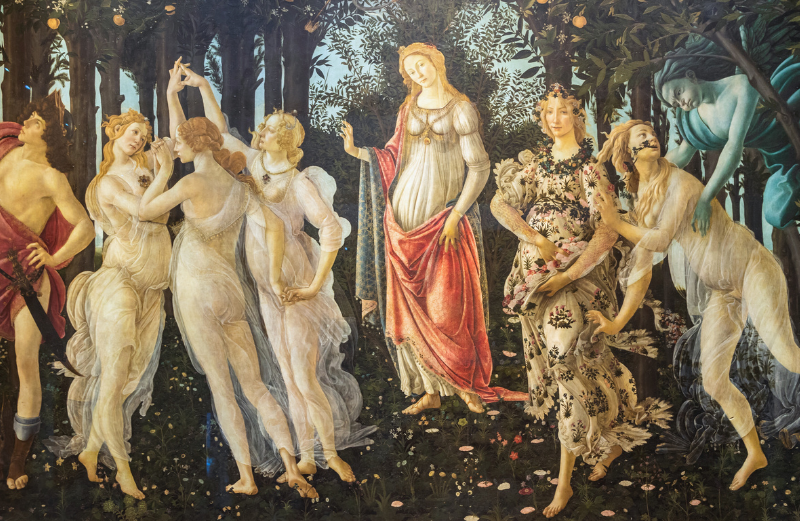
Lorenzo di Pierfrancesco de’ Medici commissioned Sandro Botticelli’s renowned painting, “Primavera.”
Commissioned by Hannibal
Another prominent example of freelancing is found in mercenaries, often referred to as the second-oldest profession. These hired soldiers supplemented existing military forces or brought expertise in tactics and technology.
Following the death of Alexander the Great, for example, his successors from the Hellenistic period, the Ptolemaic family, sent recruiters throughout the eastern Mediterranean to find experienced mercenaries, who could demand high salaries and who significantly impacted the outcomes of war for the throne.
Mercenaries were also hired by Hannibal, who fought on the side of Carthage against Rome.
From the 12th to the 16th century, their services were sold by businessmen, and later, until the middle of the 19th century, they were purchased from each other by states. During conflicts, such as the Hundred Years’ War, mercenaries offered their servicesfor hire, while in times of peace, they resorted to raiding and ravaging the country.
Motivated by financial gain, they would switch allegiances based on who offered the most lucrative contracts. If payments stopped or were delayed, they did not hesitate to look elsewhere for clients.
Their organisation resembled a corporation, with a well-developed hierarchy and an internal mechanism that oversaw the democratic distribution of the spoils. The leader of these freelancers was known as a condottiere, named after the word for contract.
The Golden Age of Freelancing
Though technology has evolved and IT is now a crucial tool for freelancers, the core values of courage, enjoyment of change, specialisation, and experience remain essential to their identity. Freelancing offers many the freedom, autonomy, remote work capabilities, higher earnings, and a healthier work-life balance they seek.
Freelancers often alternate between short-term projects—lasting three months, six months, or even a year—and extended breaks for travel and relaxation. Each project brings new teams, environments, experiences, and challenges, ensuring that freelancing is anything but boring.
The rise of freelancing can also be attributed to the diminishing security in traditional jobs. According to a survey by MBO Partners, up to 66% of respondents feel more secure after transitioning to freelancing.
The IT sector is often one of the first to experience significant impacts from market instability, as confirmed by True Up data. This data reveals that the technology industry experienced the highest number of layoffs in 2024.
This trend is expected to continue over the next five years, with the World Economic Forum predicting an AI boom that may lead to job reductions in approximately 41% of companies worldwide.
Statista forecasts that by 2027, there will be 86.5 million freelancers in the U.S., with Generation Z increasingly inclined to pursue freelance careers.
The Record Value of Outsourcing
How do companies view outsourcing? They regard it as a financially rewarding approach to quickly access talent that yields immediate results, even without extensive training. Additionally, outsourcing enhances project speed and efficiency, and companies appreciate the flexibility to adjust team sizes in response to project demands.
As companies adapt to a more diverse workforce, they rely on external collaborations more than ever before. Thus, the growing availability of a highly skilled independent workforce represents a new chapter for the technology industry.
The global IT outsourcing market is expected to grow rapidly in the coming years, reaching a value of more than $777 billion by 2028.