An unreliable map, a mobile phone suggesting you insert a disc, or a security system so simple that even a kindergartner can crack it—a software bug is often an expected complication in the development process. However, some brands have made mistakes so unusual that they have garnered international attention.
Just utter the three letters “BUG,” and any developer will pay attention. While a software bug or error can sometimes cost companies substantial financial losses, it can also lead to even more severe consequences. These include the potential loss of valuable data, damage to a company’s reputation, breaches of privacy, or threats to public safety—outcomes every brand fears.
At TITANS, we have compiled a list of 16 of the strangest bugs that have become public knowledge.
1. An App that Boycotts Coke
One developer received a help desk ticket from an end user who reported that a web app crashed whenever he drank Coke. Initially dismissed as a joke, the issue caught attention when the user stated the app worked fine when he drank coffee. After investigating, a team member discovered that the online form had a timeout feature that logged the user out after 15 minutes of inactivity. Since the Coke machine was on a different floor, it took the user at least that long to retrieve a drink, while the coffee machine was much closer.
2. Insert the Disc into Your Phone
In 2013, Windows Phone 8 displayed a peculiar error message indicating that users should insert a “Windows installation disc” into their phones, as the system had failed to load.
3. The Million Dollar Bug
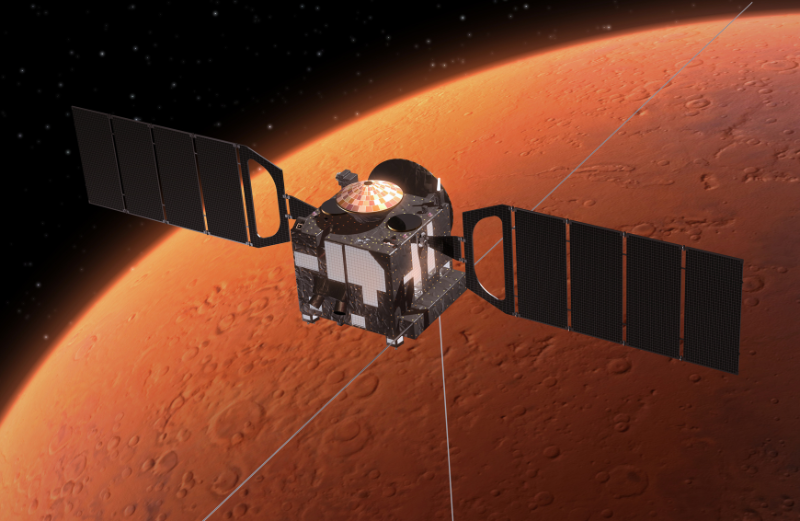
In 1998, the Mars Climate Orbiter was lost due to a failure that caused it to get too close to the surface of Mars. Engineers discovered that a simple error in converting imperial units to metric was the culprit. While Lockheed Martin’s ground control program used imperial measurements, NASA’s onboard software was programmed in metric. This oversight resulted in a failed mission that cost over $320 million.
4. Blind Map Bug
Apple Maps, launched in 2012 as part of iOS 6 to compete with Google Maps, became notorious for its many bugs. Users reported significant issues, including the Statue of Liberty missing from the map, Hong Kong being inaccurately positioned several kilometres away from Hong Kong Island, the absence of location data for Japan, and duplicate representation of islands in the Pacific Ocean.
5. Unexpected Game Spies
In Skyrim, non-player characters are AI-controlled and can influence the storyline. For example, they can report a player to the city guards if they witness a crime. Before the game’s release, developers were surprised to find that they were being reported for crimes in areas where no characters were present to witness them. Upon investigating this bug, they found that chickens were reporting them.
6. Kindergarten Hacker
The Xbox One parental control system faced a significant challenge when a five-year-old child bypassed it, allowing him to access games that had originally been blocked by his father. The man documented the incident and reported the bug to Microsoft, which enabled them to rectify the issue. As a result, the little boy was included in Microsoft’s official list of security researchers for 2014.
7. A Nightmare at the Airport
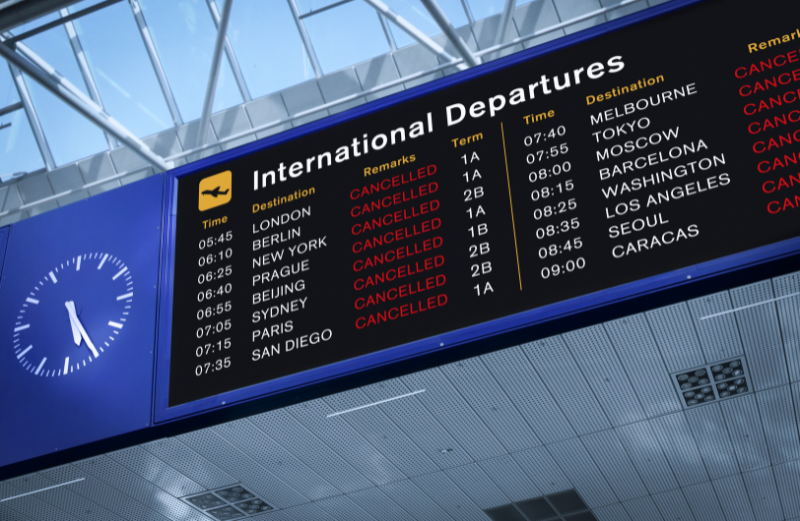
The opening of Terminal 5 at Heathrow Airport in 2008 was marred by several problems, primarily related to a new software designed for baggage handling. An oversight during the testing phase resulted in a forgotten software filter that prevented the system from recognising suitcases. Additionally, the server capacity was inadequate to manage the surge in baggage codes, causing it to crash. Despite this, the check-in department continued adding bags to the system, leading to a massive failure. Over the next 10 days, around 42,000 suitcases were lost, and more than 500 flights were cancelled, resulting in financial losses exceeding £16 million.
8. Apps That Do What They Want
The mid-size iPhone’s latest software update, iOS 18.4, introduced a frustrating bug that reinstalls previously deleted apps or even installs apps that users never had. Those who see their deleted apps reappear will likely be irritated, while others may lose confidence in Apple’s security when they find new, unfamiliar apps on their devices. An even more concerning scenario could arise if a bug inadvertently installs apps that feature aggressive advertising or in-app purchases on children’s iPhones.
9. The World’s Most Famous Moth
On September 9, 1947, the Mark II computer at Harvard malfunctioned because of a real bug—a moth that entered the machine and damaged relay number 70 on panel F. The incident was documented, and the moth was preserved on a page labelled “First real case of bug found.” This page is now displayed at the Smithsonian Institution’s National Museum of American History in Washington, DC.
10. A Tragic Bug in Medicine
Perhaps the most alarming demonstration of the consequences of software bugs was the Therac-25 radiation therapy machine. Due to programming errors, the machine delivered hazardous doses of radiation to patients, resulting in several deaths and injuries during the 1980s.
11. The One Who Computers Can’t See
Rachel True discussed on Twitter how she was locked out of her iCloud account for over six months due to an error, likely caused by the system interpreting her last name, “True,” as a boolean value. This is a prevalent bug arising from developers neglecting the significance of typographic values. Jesse Self experienced a similar issue, where error codes related to his last name indicated that nicknames were not permitted. Technology journalist Christopher Null humorously remarked, “My name makes me invisible to computers.”
12. Blue Screen of Death
One of the most significant IT outages in recent years occurred on July 19, 2024, when companies worldwide reported “blue screen of death” errors associated with Windows. This outage was tied to a software update from the popular cybersecurity firm CrowdStrike, affecting computers across various industries, including airlines, banks, retailers, brokerages, media organisations, and rail networks.
13. An Out-of-Control Epidemic
In 2005, a serious outbreak of an infectious disease occurred among virtual characters in World of Warcraft, one of the most popular online multiplayer games. This incident was triggered when game administrators introduced a new virtual creature with the ability to transmit disease to its opponents. However, the resulting outbreak quickly spiralled out of control, becoming the first unplanned virtual epidemic in gaming history. Some sources suggest that such online multiplayer role-playing games could serve as a testing ground for hypotheses related to the spread of infectious diseases.
14. The Risky Internet
In early 2009, if you opened your Google search engine, you might have been surprised to find that every page on the web was briefly flagged as a potentially malicious destination posing a threat to users. When you tried to visit a search link, you would see Google’s standard malware warning, which prevented you from being redirected to the selected site.
15. The Bug that Caused Mass Hysteria
The fear of the millennium bug, also known as Y2K, stemmed from concerns that computer systems worldwide would fail to handle dates after December 31, 1999. Many systems only used the last two digits to represent the year, leading to widespread anxiety. Although most systems implemented timely adjustments, the fear of potential collapse caused thousands of people in 1999 to spend considerable funds on contingency planning and preparations.
16. Disappearing Voicemails
If you attempt to send a voicemail message that includes the name of the American restaurant chain “Dave and Buster’s” (e.g., “I’m going to Dave and Buster’s for lunch.”), the recipient will not receive it. Initially, the recipient sees an icon indicating that you are typing something, but this eventually disappears. After that, there is no indication that you sent anything—no message or notification of a failed send. The issue arises because the iOS transcription mechanism recognises the chain’s name, changes it to the correct wording (“Dave & Buster’s”), and sends it in XHTML code that’s used to send the transcript with the audio message. The problem isn’t the phrase “Dave and Buster’s,” but rather the ampersand character between the words, which has a special function in programming and disrupts the code analysis. This same issue occurs with “M&Ms” and the chain name “M&S.”
These notorious bugs remind us of the critical role that quality assurance and testing play in software development. It requires attention to detail, rigorous testing protocols, and learning from past mistakes. Furthermore, these incidents highlight the broader impact of software on society and the economy. In today’s digital age, the focus goes beyond just code and algorithms; it encompasses trust, security, and reliability.
If you are interested in becoming one of the testers who help companies prevent issues like these, consider exploring the TITANS IT projects. We can assist you in transitioning into the independent world of freelancing, where you can help save companies from software bugs, build your portfolio, and connect with a vast community of tech talent.